
If you’ve found water collecting underneath your dishwasher, you are not alone. Many homeowners in Great Falls and across Northern Virginia face this problem each year—and it always seems to strike when you least expect it. At Appliance Repair Services, we help local families resolve dishwasher leaks quickly so their kitchens can get back to normal with minimal hassle or stress.
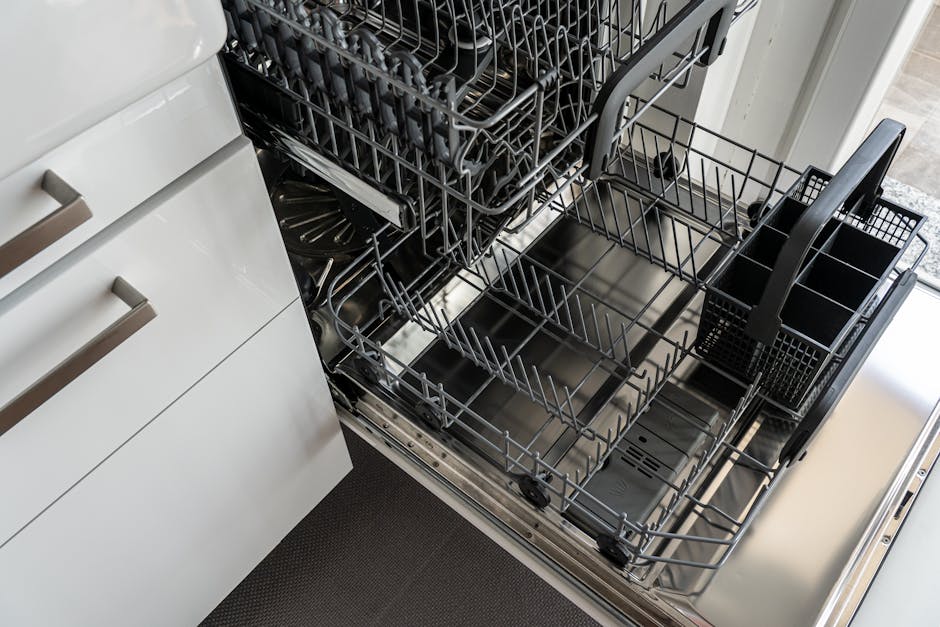
A dishwasher leaking from the bottom is most often caused by issues such as a damaged door seal, a clogged filter, a loose or cracked hose, a faulty water inlet valve, pump problems, or the appliance not being level. These leaks can show up as water pooling under the machine, around its front edge, or even seeping out from beneath nearby cabinets. Ignoring a leak can put your cabinets, floors, and even the dishwasher’s internal electrical system at risk—so it’s smart to address the issue promptly.
As local appliance repair specialists, we always remind Great Falls homeowners that a single visible puddle can have many possible root causes. Accurately diagnosing the issue is the fastest way to prevent damage and avoid unnecessary part replacements.
Any water escaping from under your dishwasher and pooling on the floor or seeping from beneath the toe-kick panel is typically considered a bottom leak. Sometimes the source is at the front (from the door seal) but water can travel along the bottom of your cabinetry. In other situations, leaks originate further back—from hoses, pump assemblies, or internal tub cracks. It’s important to note exactly when and where the water appears, as this will help in diagnosing the culprit.
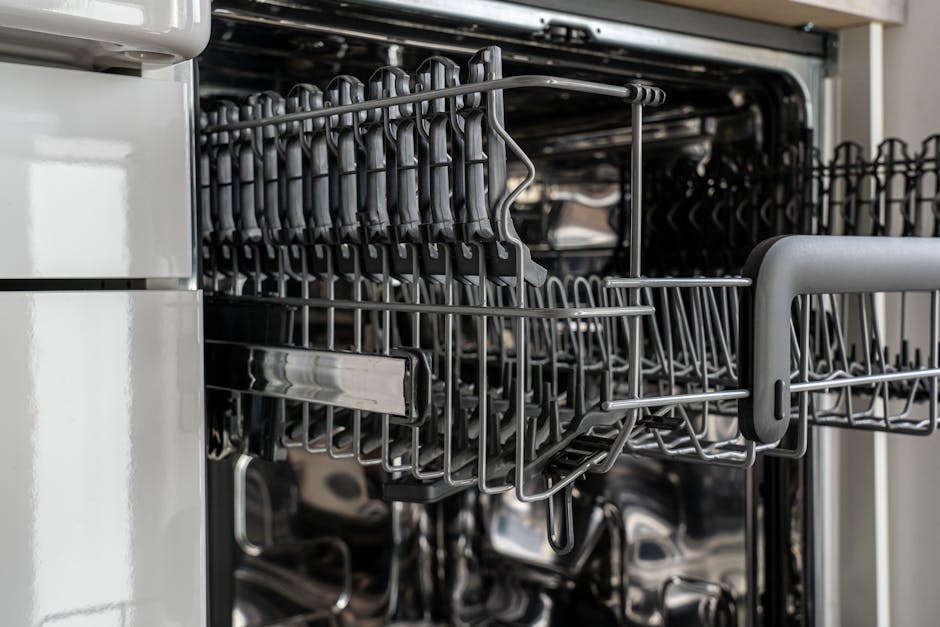
The door gasket is a flexible rubber seal around the edge of your dishwasher’s door opening. Over time, it can become cracked, brittle, misaligned, or covered with debris. This makes it less effective and can let water seep past during a cycle. Gaskets are especially vulnerable near the corners at the bottom of the door.
If your dishwasher isn’t perfectly level, water can pool toward the front during use, overwhelming the gasket or running over the edge. Sometimes recent floor, countertop, or cabinet changes can affect the appliance’s level. Checking (and if needed, adjusting) the leveling legs is a simple but important troubleshooting step.
Most dishwashers have a filter to catch food debris. If this filter clogs (often from not being cleaned regularly), water may not drain out properly. This can cause water levels to rise and eventually spill out. You may also notice water left inside the tub at the end of a cycle, slower draining, or even gurgling sounds.
The drain hose, located under the dishwasher, carries water out during the drain cycle. A split, kinked, or poorly connected hose can let water escape where you can’t see it. The first symptom is often a puddle under the dishwasher after a cycle.
This valve controls the flow of water into your dishwasher. If it fails to close completely, or if the connection is loose, it can allow water to leak even when the machine is off or filling. Signs may include new puddles appearing under the machine before, during, or after a cycle.
The circulation pump sprays water around your dishes, while the drain pump removes dirty water. If seals around these parts break down or the plastic housing cracks, leaks can form under the tub, right in the center of the appliance. These repairs are best left to professionals, as water and electrical components are often side by side in these areas.
The float and its switch monitor the water level inside your dishwasher. If food debris blocks the float, or if the switch malfunctions, the appliance might overfill and leak. This is typically accompanied by water seeping out after or during filling.
If you’ve recently switched detergents or accidentally used regular dish soap, too many suds can form. Bubbles can push past the door seal and look like a bottom leak, even if all the mechanical parts are sound. Always use a detergent formulated for automatic dishwashers.
In rare cases, especially as machines age, the internal plastic tub or its fittings can crack. Water then leaks from the base. These failures typically require either a complex repair or, depending on the age and condition of the dishwasher, replacement may be considered.
These steps are not a substitute for a full diagnostic and will not confirm pump, valve, switch, or internal seal failure—but may help identify when professional help is needed.
It’s time to schedule professional repair when:
Leaks can worsen behind the scenes even if you only notice a small puddle. Moisture under your dishwasher may slowly rot wood subfloors or cabinets, encouraging mold if not addressed. This is why a timely call to a local professional, like Appliance Repair Services, is recommended.
Whether your dishwasher should be repaired or replaced depends on its age, build quality, exact issue, and the cost of parts. Many leaks involving gaskets, hoses, valves, and even some pump issues can be addressed cost-effectively, especially if the machine is newer and otherwise functioning well. Cracked tubs or severe internal damage may justify discussing a replacement, particularly if your dishwasher has a history of multiple problems. Our technicians always explain your options after inspection, so you only repair what’s worth fixing.
If you’re interested in more dishwasher tips or troubleshooting advice, check out our post on what to do if your dishwasher has standing water after every cycle.
Appliance Repair Services provides trusted appliance repair, including dishwasher leak repair, to homeowners in Great Falls, McLean, Reston, Herndon, Alexandria, Arlington, Fairfax, Woodbridge, Manassas, and all surrounding communities. Our technicians are skilled with leading brands such as Whirlpool, LG, Samsung, GE, Frigidaire, and Bosch. We diagnose leaks accurately, fix the root cause, and help you protect your home—and your peace of mind.
This is often linked to issues with the door gasket, spray arm, leveling, pump, or pump seal. Locating where the leak begins can help pinpoint which component is failing.
A faulty water inlet valve or supply connection could allow water to seep in even when the appliance is off. Shut off the water and contact a repair professional right away.
Yes—a blocked filter traps water that can eventually overflow or escape through seals or drain paths.
A small amount of water at the bottom sump is expected, but standing water across the tub or leaking onto the floor is not and should be checked by a professional.
Leaks should be addressed as soon as possible to prevent cabinet, floor, and electrical damage. Shut off the water and unplug the appliance if water is near any electrical outlets or wiring.
Yes. Appliance Repair Services works on most major brands, including Whirlpool, LG, Samsung, GE, Frigidaire, Bosch, and more. We can quickly diagnose and repair the problem to get your kitchen routine back on track.
A leaking dishwasher is more than just a mess—it’s a problem that can snowball into long-term water damage or even electrical hazards if left unresolved. If you’re seeing water under your dishwasher in Great Falls or anywhere in Northern Virginia, don’t wait. Let our friendly team at Appliance Repair Services diagnose the root cause and recommend the best solution for your home.
Ready to solve your dishwasher leak for good? Give us a call at 703-782-4410 or schedule your service online. We’re here to help you get your household back on track.
